
Is My Roof Suitable for Solar Panels?
Is My Roof Suitable for Solar Panels?
With energy prices continuing to rise and more homeowners looking to be more eco-friendly, solar panels have become increasingly popular across the UK. The good news is that, more than likely, your roof will probably be suitable for solar panels in some capacity. In fact, it is predicted that around 90% of UK roofs would be capable of housing solar panels.
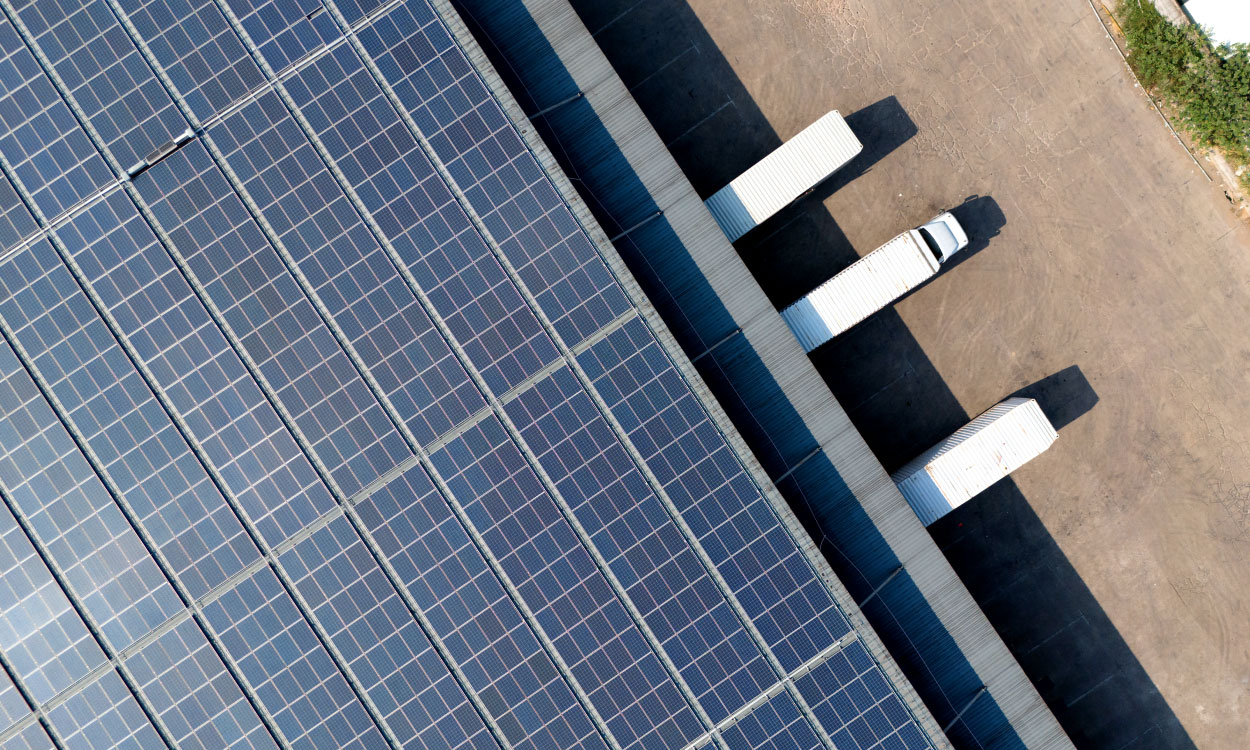
Despite this, before installation begins, it is essential to ensure that a roof can safely and effectively support a system. One of the most important considerations is the structural capability of a roof. Solar panels add an additional dead load of roughly 200kg, and every roof should be assessed to ensure it can handle this.
Older roofs, damaged structures or those with unusual designs may need to be reinforced before an installation takes place. At IKT Consulting, we offer a wide range of commercial structural engineering services, including assessments for solar panels, that ensure buildings are always safe and compliant.
In this article, we will answer the question ‘is my roof suitable for solar panels?’
Read on for more information…
Benefits of solar panels
There is a wide range of benefits to installing solar panels for homes and businesses. These include:
- Lower energy bills: One of the biggest potential benefits of solar panels is the ability to generate your own electricity. This can significantly reduce reliance on the National Grid and lower monthly energy bills.
- Reduced carbon footprint: Solar energy is a clean and renewable source that involves generating electricity directly from sunlight. This saves on fossil fuels and means harmful carbon emissions can be reduced.
- Increased property value: Homes that feature solar panels are becoming increasingly desirable, offering improved energy performance ratings. In some cases, this can even increase the value of a property.
- Energy independence: Solar panels provide greater control over energy usage and costs.
- Low maintenance: Modern solar panels are designed to be durable and low maintenance. Most systems require only occasional cleaning.
- Long-term investment: Although installation costs can be high initially, they usually offer long-term financial returns.
Is my roof suitable for solar panels?
As mentioned above, most roofs in the UK are suitable for solar panels. However, it is important that you are sure before proceeding with the installation. A few important factors to consider include:
- Roof size: Solar panels require plenty of roof space. A standard system will need around 20-26m2 of clear usable roof space. A larger roof allows for more panels and the potential to generate even more electricity. Obstacles like chimneys, skylights or dormer windows might reduce the amount of usable space.
- Pitch: The angle of the roof will also impact solar panel performance. In the UK, roofs that have a pitch of between 30 and 40 degrees are generally considered to be ideal as they maximise sunlight exposure. Solar panels can still work on flat roofs, but they will likely need angled frames to optimise the position.
- Direction: South-facing roofs typically achieve the highest energy output in the UK because they receive the greatest amount of sunlight throughout the day. Southwest and southeast roofs are also known to perform very well. East and west-facing roofs may still be viable, but will produce less energy. North-facing roofs tend to be less efficient but may still be considered depending on the specifics of the property.
- Condition: The condition of the existing roof is very important. If it is aged or damaged, it can create problems when it comes to installation. If your roof already requires maintenance, replacement or repairs, it is usually best to have this work before any installation. Structural issues must also always be addressed first.
- Shading: Trees, neighbouring buildings, chimneys and other obstructions can reduce the efficiency of solar panels by blocking sunlight. Even partial shading can impact the overall performance of the system. A professional assessment will be able to determine if shading will have a detrimental impact on solar panels.
Roof load considerations for solar panels
One of the most overlooked but most important aspects of a solar panel installation is the extra weight it will add to the structure. While solar panels are not excessively heavy, they still introduce additional permanent loads, which can make a difference.
Most panels weigh around 20kg, which can create an overall load of about 200kg as a set. Roofs are carefully designed to carry specific loads, so additional weight needs to be properly assessed.
Structural engineers will assess:
Dead loads
Dead loads refer to the permanent weight added to the roof structure. This includes solar panels, mounting brackets and other equipment. Older roofs may not have been designed to accommodate modern renewable energy systems, especially if there is an existing structural problem.
Live loads
Live loads are temporary loads that are placed on the roof, such as workers, equipment and environmental conditions. Solar panels can alter how these loads behave on a roof.
Wind loads
Solar panels can increase wind forces on the roof. Strong winds may place additional stress on fixings, rafters and roof coverings. This is particularly important in exposed areas or on taller buildings.
Snow loads
In winter conditions, snow on solar panels may create problems due to its weight. Structural calculations must account for these potential scenarios as part of the long-term safety of the roof.
Roof structure and type
Different roof structures perform differently under additional loads. Traditional timber roofs may respond differently compared to modern structures. Some roofs can comfortably support solar panels, while others might require strengthening.
How IKT Consulting Can Help
Before investing in solar panels, you must ensure your roof is structurally suitable. A professional assessment will identify potential risks, prevent costly problems and ensure full compliance with building regulations.
At IKT Consulting, we provide a range of structural engineering services for residential and commercial properties in Nottingham and beyond. Our experts will survey your commercial or industrial roof’s structure, evaluate the load capacities and provide detailed calculations and reports to determine your roof’s suitability.
For more information, get in touch with our team today.


Mezzanine Structural Design
Teal Park, Netherfield

Structural Alterations
London Road, Derby

Residential Structural Design
Guilford Street, Nottingham

Loft Conversion
Beeston, Nottingham
Some Of Our Clients


